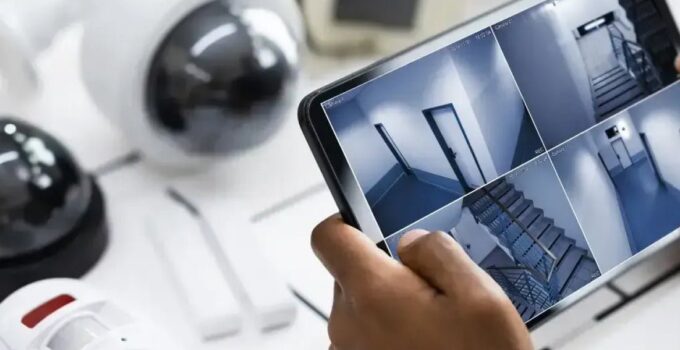
Diving into home security for the first time can be overwhelming. Between all the gadgets, subscriptions, and tech jargon, it’s enough to confuse anyone. Here is the thing: there is no need to turn your home into Fort Knox overnight. The best approach to electronic home security is to build a solid foundation with a few hub and spoke essentials and then add to the system as time and budget allow.
Another thing to consider is that all security measures don’t have to be electronic. There are some physical things homeowners can do to secure their properties against criminals. It is a matter of learning the basics and implementing them.
If you are just getting your feet wet in the electronic home security space, here are the basic components that make up an essential system:
A Central Home Security Hub
Source: yahoo.com
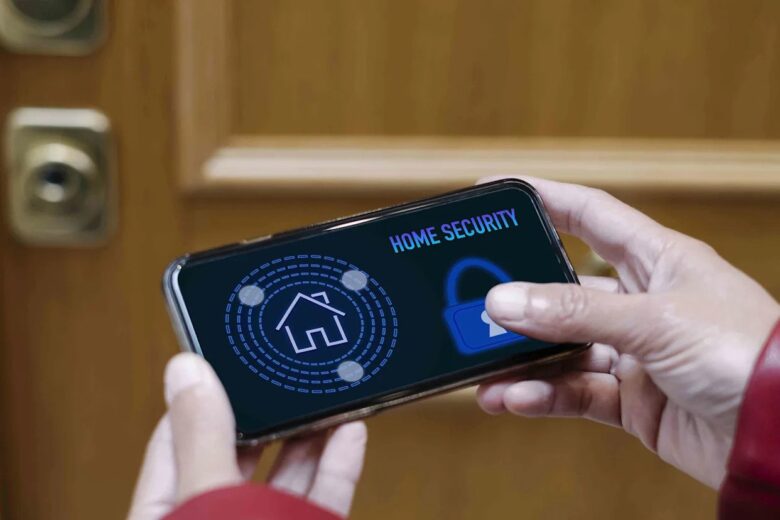
The starting point for many homeowners looking to build an integrated system is the central home security hub. A hub is the brain of the system.
Without it, you would be left controlling each of your individual devices with the mobile apps that came with them. That’s okay if you don’t mind managing three or four apps at the same time.
The main benefit of the hub is centralized control. If you were to invest in a HomeProtect system from Vivint, for example, a hub would be included.
You could control every integrated device from that hub. Vivint also has its own mobile app for controlling your system when you are away from home.
Entryway Sensors: The First Line of Defense
Source: portcityelevator.com
Whether you’re choosing a package like HomeProtect or building a security system from scratch, the next investment should be in entryway sensors.
These are sensors designed to protect first-floor windows and doors. In most cases, they are contact sensors that can be attached with a few screws.
Contact sensors are pretty simple in their design. Each sensor has two parts: one attaching to the frame and the other to the door or window.
As long as the two oarts remain in contact, the circuit remains closed. As soon as contact is broken, the circuit is opened and the system sounds an alarm.
It might prove impractical to equip all the first-floor windows in your home with entryway sensors. One way to get an equal amount of protection without spending as much money is to invest in one or two motion sensors. A single motion sensor can protect an entire room if positioned properly.
Invest in at Least One Camera
Source: cnet.com
Some people invest in a central hub and entryway sensors only to stop there. If your budget will not allow you to go any further, that’s fine. But if you can afford at least one video camera, buy one.
Video cameras are great deterrents to crime for one simple reason. They generate evidence. Criminals don’t want to be caught on video because any footage can be used against them in court. So when burglars see video cameras, they think twice about breaking in.
You could invest in a video doorbell to start. It’s a doorbell with an embedded video camera and onboard audio capabilities.
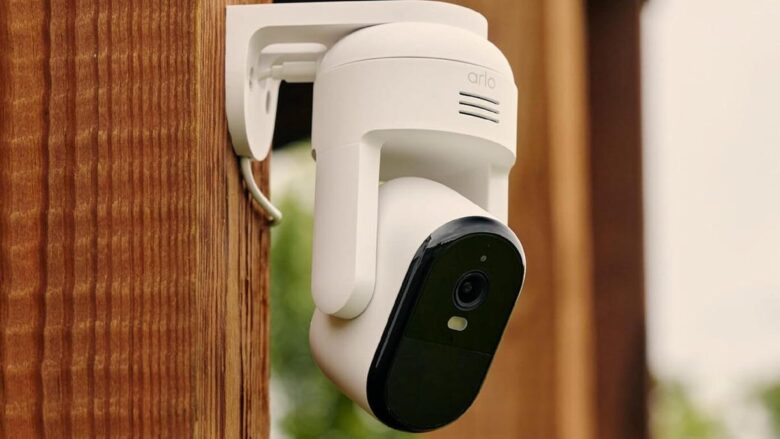
If you want something more visible, however, consider investing in an exterior camera. It gets mounted on the house at the front of your home. Being more visible, it is a better deterrent.
If you can afford both, why not? You could adjust your video doorbell to give you a closeup view of the area just in front of the door.
Also read: How to take care of your DSLR camera?
Meanwhile, your exterior camera could give you a wider, more sweeping view of the entire front yard – and perhaps the driveway and street as well. Maximum protection all the way around.
A Keypad Mounted by the Door
Source: cnet.com
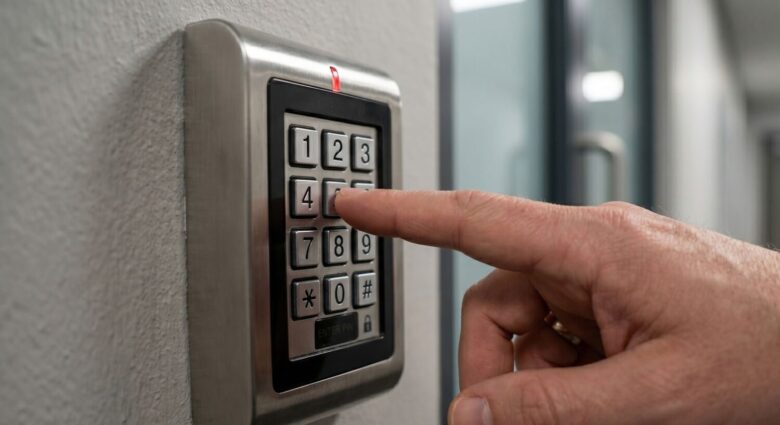
Rounding out the list of essential items is the keypad. In the old days, a keypad was non-negotiable. It was installed near the front door for easy arming and disarming. Today you can get by without a keypad if you would rather use your mobile phone.
Personally, I would invest in the keypad. I don’t like relying on my phone as much as I already do; I wouldn’t want to add another task to the list. For me, a keypad represents easy arming and disarming, whether I have my phone with me or not. I can still arm or disarm with my phone when it’s convenient.
Enhancing Electronics With Physical Security Measures
An affordable HomeProtect or similar system gives a homeowner entry-level security at an affordable price. But is there anything else a homeowner can do? Absolutely. Even an entry level security system can be enhanced with a few physical security measures. Here are just a few examples:
- Door Fortification – Fortify the front and rear doors on the first floor with heavy-duty deadbolt locks and strike plates. Installing both makes breaking and entering more difficult.
- Window Locks – Invest in security locks for first-floor windows. These locks go above and beyond what was installed at the factory.
- Landscaping – Keep all landscaping neat and trim, so as to always provide a clear view of the house from the street. A clear view deters burglars.
- Motion Sensitive Lighting – Install motion sensitive lighting to keep prowlers at bay during the overnight hours. Lights spook criminals.
Additional tips include keeping windows and doors always locked, making sure not to leave the garage door open, not allowing newspapers or mail to accumulate, and keeping the exterior of your home clean and tidy at all times. Show some effort, and criminals will understand that you’re diligent about protecting your home.
As for adding new devices to your home security system, you can do so as your budget allows. Adding extra cameras to give a complete view of your entire property is a good starting place.
Adding interior cameras is a good idea as well. Just know that you don’t have to buy the whole package at once. It’s okay to start with an entry-level system and work your way up from there.