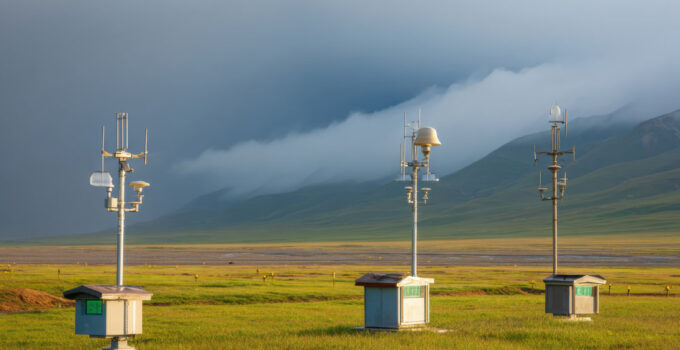
Stuff breaks. But breakdowns no longer need to surprise anyone. Remote monitoring technology continuously watches critical operations like a tireless security guard. This tech prevents disasters. Hospitals keep running. Water stays clean. Lights stay on. The entire system just works better.
Understanding Remote Monitoring
Remote monitoring feels a bit like magic at first. Sensors stuck on machines beam data about temperature, shaking, pressure, you name it. All that information goes to control rooms where computers crunch numbers and spot trouble brewing. It functions as a health monitor for large industrial equipment.
Your fitness band notices when your heart skips a beat? Same idea, except these systems watch thousands of machines at once. They don’t get sleepy after lunch either. Or call in sick on Mondays. The machines just keep watching, learning, getting smarter about what trouble looks like.
The Real Cost of Downtime
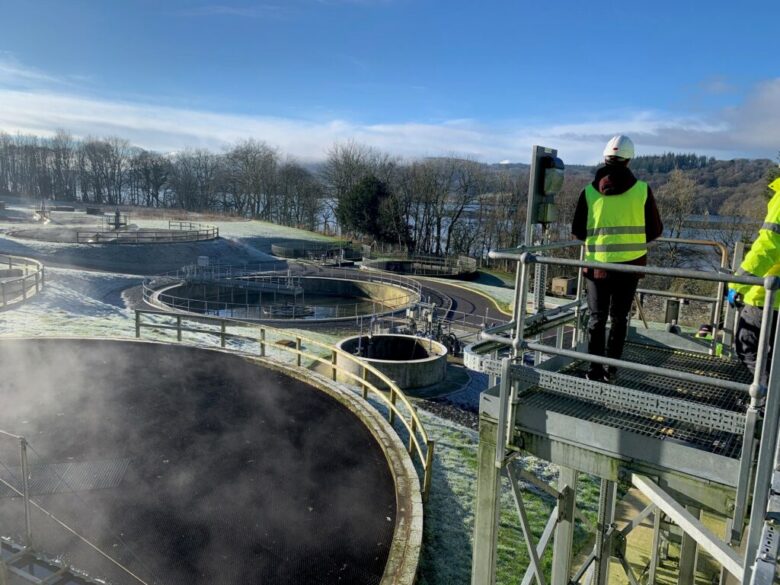
Nobody really gets how expensive breakdowns are until they happen. Factories hemorrhage money by the minute when production stops. Hospital equipment going dark? That’s not just expensive, it’s terrifying. Water treatment plants failing means entire towns have problems. Even short stoppages cause massive headaches that ripple out for days.
Source: uuhub.co.uk
The old way meant crossing your fingers and hoping nothing exploded. Crews did regular checkups, but half the time they would service stuff that ran perfectly while missing the motor about to catch fire next Tuesday. Remote monitoring turned that chaos into something almost boring in its predictability. Technicians now know what’s going sideways long before sparks fly.
How Technology Prevents Failures
These new sensors pick up the tiniest, weird vibes from equipment. A bearing starting to go bad changes how things sound weeks before anyone would notice. Motors get thirsty for extra power as parts wear down. Pipes whisper about future leaks through pressure wobbles nobody could feel.
Companies such as Blues IoT recommend IoT energy solutions that help facilities keep tabs on both equipment health and power consumption without running cables everywhere. The systems shoot off warnings when numbers drift into sketchy territory. Repair crews show up ready, carrying exactly what they need. No more emergency panic. Just calm, planned fixes that don’t wreck production schedules.
Benefits Beyond Preventing Breakdowns
Stopping meltdowns is great, but remote monitoring brings other goodies to the party. Equipment lasts way longer when little problems get nabbed early. Fixing small stuff beats replacing giant machines any day. Plus, everything runs cleaner and uses less juice when it’s properly tuned.
Worker safety shot through the roof, too. Sketchy situations get flagged before anybody walks into danger. Gas buildups, electrical gremlins, pressure bombs waiting to happen, all caught early. Emergency crews roll up already knowing what monster they’re fighting.

Source: digi.com
The numbers these systems collect tell stories nobody expected. Suddenly it’s obvious which machines do the heavy lifting, where workflows get jammed up, why Thursdays always seem problematic. Smart cookies use this info to make everything run smoother.
Better Planning for Maintenance Teams
Remote monitoring also changes how maintenance teams plan their week. Instead of reacting to whatever fails first, managers can rank repairs by urgency, risk, and operational impact. A pump with rising vibration near a main process line gets handled before a low-priority fan that can safely run for another 2 weeks.
That makes scheduling cleaner. Spare parts can be ordered before they become emergency purchases. Contractors can be booked during quieter shifts. Internal teams can prepare tools, permits, and safety procedures before they arrive on site. The result is fewer rushed decisions and fewer costly surprises.
Stronger Compliance and Reporting
Critical operations usually come with strict rules. Power plants, hospitals, water systems, cold storage facilities, and manufacturing sites all need reliable records. Remote monitoring helps by creating a constant trail of performance data.
Instead of depending only on handwritten logs or occasional inspections, teams can show when equipment was checked, what conditions looked like, and how quickly alerts were handled. That matters during audits, insurance reviews, and incident investigations. Clear data makes it easier to prove that a facility followed proper procedures.

Source: primeliftsafetyng.com
It also helps leaders spot recurring issues. If the same compressor overheats every month, the pattern becomes hard to ignore. The conversation shifts from “what happened today?” to “why does this keep happening?”
Less Waste Across the Operation
Small inefficiencies quietly eat through budgets. A motor running hotter than it should may draw more power. A leaking valve may waste water, chemicals, or compressed air. A refrigeration unit drifting outside its ideal range may increase energy use long before anyone notices a visible problem.
Remote monitoring brings those hidden losses into view. Once operators can see where waste happens, they can fix settings, adjust schedules, or replace worn components before the problem grows. Over time, those small improvements add up.
For companies running several sites, the value gets even bigger. Leaders can compare locations, identify the best-performing equipment, and apply those lessons elsewhere. One facility’s improvement becomes a playbook for the rest of the network.
Better Visibility Across Multiple Sites
Remote monitoring becomes even more useful when a company runs several locations at once. Managers can compare equipment performance across plants, warehouses, clinics, or field sites without waiting for separate reports.
That wider view helps them spot weak points faster, standardize better habits, and move resources where they are needed most.
Source: ionos.co.uk
Faster Decisions During Emergencies
When something does go wrong, remote monitoring gives teams clearer information from the first minute. Instead of guessing what failed, they can see pressure changes, temperature spikes, power drops, or abnormal movement in real time. That helps supervisors send the right people, protect workers, and reduce confusion during urgent repairs.
Conclusion
Remote monitoring is expanding rapidly, affecting all areas. Farms track dirt moisture from the kitchen table. Trucking companies watch their rigs cruise highways three states away. Bridges basically examine themselves for cracks now.
Every year brings cheaper sensors, smarter software, and easier setup. Wireless gadgets skip the whole cable mess. Cloud computing gives tiny operations big company capabilities. The computers keep teaching themselves new tricks without anyone programming them. American businesses riding this wave leave competitors eating dust.
They are more efficient, respond faster, and satisfy customers better than those relying on traditional methods. The crucial question now is how quickly businesses can adapt before they are left behind.