
I remember the first time I planned a trip to Germany, I assumed it would be simple. It is simple, but only if you handle a few key things early. If you skip those, the stress shows up later, usually at the worst moment. So before you start booking hotels or building your itinerary, pause for a second. What kind of trip are you actually planning? Fast city hopping, or a slower stay in one place? That answer shapes everything else.
Let me walk you through the things that actually matter, the ones I wish someone had explained to me properly.
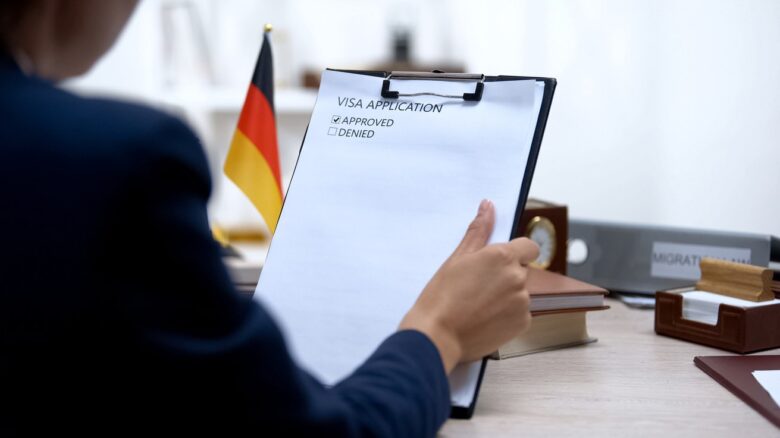
Entry requirements and documents
Before anything else, check your documents. It sounds obvious, but this is where many trips quietly fall apart.
Germany is part of the Schengen Area, which means many travelers can enter without a visa for short stays. If your country has a visa agreement, you can usually stay up to 90 days within a 180 day period.
Still, even without a visa, your passport matters more than you think.
Here are the basics you should confirm before booking anything:
- Your passport must be valid at least 3 months after your planned departure
- It should be issued within the last 10 years
- You may need proof of accommodation and return travel
I always double check this first. Have you looked at your passport expiration date recently? It is one of those details that feels minor until it suddenly is not.
Important – Even visa-free travelers must respect the 90 day rule across all Schengen countries, not just Germany.
Source: uni-koblenz.de
Planning your stay and expectations
This is where things get more personal. What do you want your trip to feel like?
Germany is not a place where you can casually “wing it” and expect everything to align. Things run on schedules, and you will notice it quickly. Trains are organized, cities are structured, and people tend to plan ahead.
If you are deciding how to structure your trip, think about:
- How many cities you want to visit
- How much time you actually have
- Whether you prefer day trips or staying put
I made the mistake of packing too many cities into one week. It looked great on paper, but I spent more time moving than enjoying. So ask yourself honestly, do you want a checklist trip or a relaxed one?
If you are staying longer in a city like Munich, you will also notice a wide range of lifestyle options, including services people look for during extended stays. For example, some travelers research escort München when planning time in the city, especially if they are traveling alone and want company in a structured, safe way. It is not something everyone considers, but it does come up in real travel planning conversations.
Budgeting and daily costs
Let’s talk about money, because this part is often underestimated.
Germany is not the most expensive country in Europe, but it is not cheap either. Your daily costs depend heavily on your travel style.
A realistic breakdown looks like this:
- Budget travelers: hostels, simple meals, public transport
- Mid-range travelers: hotels, restaurants, train passes
- Higher-end travelers: boutique stays, private tours, dining out often
Authorities may also expect you to show proof that you can support yourself during your stay.
That is not just a formality. It is part of the entry requirements.
I usually calculate a daily budget before I even book flights. It keeps expectations realistic. Have you done that yet, or are you guessing based on other trips?

Source: ourescapeclause.com
Getting around Germany
Transportation is one of the easiest parts of traveling in Germany, but only if you understand how it works.
The train system is reliable, but not always simple for first time visitors. There are different types of trains, different ticket options, and sometimes confusing connections.
Here is what I learned quickly:
- Long distance trains need reservations in busy periods
- Regional trains are more flexible but slower
- Public transport in cities runs on strict schedules
If you are moving between cities, planning in advance saves both time and money.
Did you know?
Germany’s rail network connects not just major cities, but also smaller towns, which makes day trips very easy if planned correctly.
I always check travel times before finalizing accommodation. It avoids those frustrating long transfers later.
Cultural expectations and small details
This part is subtle, but it shapes your experience more than you expect.
Germany has clear social norms, and once you notice them, everything makes more sense. People value punctuality, order, and personal space. It is not strict in a negative way, just consistent.
Here are a few things that stood out to me:
- Being on time is expected, even for casual plans
- Quiet behavior is normal in public transport
- Cash is still widely used in smaller places
These are small adjustments, but they make your trip smoother. Have you traveled somewhere where the culture felt very structured? Germany feels like that, but in a predictable way.
Source: goway.com
Accommodation choices and location strategy
Choosing where to stay is not just about price. Location matters more than most people expect.
When I booked my first hotel, I picked something cheaper outside the center. It looked like a good deal, but I spent extra time commuting every day. That added up quickly.
If you are deciding where to stay, think about:
- Distance to main attractions
- Access to public transport
- Neighborhood safety and activity
Here is a simple comparison that might help:
| Option | Pros | Cons |
| City center | Easy access, less travel time | Higher price |
| Outer districts | Cheaper, quieter | Longer commute |
| Near train station | Good for short stays | Can be busy |
I now prefer locations close to transport hubs. It gives flexibility without feeling disconnected.
Final thoughts
Planning a trip to Germany is not complicated, but it does reward preparation. The more you think through the basics early, the more relaxed the trip feels once you arrive.
So before you finalize anything, ask yourself:
- Are your documents fully sorted?
- Do you know your daily budget?
- Have you planned your movement between cities?
Those three questions alone prevent most travel issues.
Germany is very manageable once you align with how things work there. And once you do, it becomes one of those places where everything feels efficient in a way that actually helps you enjoy your time.
If you are in the planning phase right now, take it step by step. It pays off more than you expect.