
Selling a personalised number plate can be an exciting opportunity, particularly if you believe your registration has increased in value over the years. While some sales are completed quickly and at a satisfying price, others take far longer than expected or fail to generate meaningful interest. In many cases, the problem is not the registration itself but the approach taken by the seller.
Avoiding a few common mistakes can make the entire process smoother and improve the chances of achieving a successful sale.
Getting the Price Wrong

One of the most frequent errors is setting an unrealistic asking price. Owners often become emotionally attached to a registration they have used for many years, leading them to believe it is worth significantly more than buyers are willing to pay. Personal value and market value are rarely the same. A registration is ultimately only worth what someone is prepared to spend, regardless of how meaningful it may be to its current owner.
On the other hand, undervaluing a registration can be equally costly. Some sellers accept the first offer they receive simply because they are keen to complete the sale quickly. Without researching similar registrations or understanding current market demand, they may unknowingly sell for considerably less than the plate could have achieved.
It is worth remembering that every personalised registration is unique. Two plates that appear similar at first glance may have very different values because of spacing possibilities, recognisable names, initials or the desirability of particular number combinations. Taking time to understand these differences before setting an asking price can prevent disappointment later in the process.
Not Understanding the Target Buyer
Another mistake is failing to understand who the likely buyer will be. Certain registrations appeal to a broad audience because they contain common initials, names or memorable combinations. Others are much more niche. Marketing a registration effectively requires recognising who is most likely to be interested and setting realistic expectations about how long it may take to find the right purchaser.
For example, a registration containing popular initials may generate interest from many different buyers, whereas a plate that references a specific first name or profession could appeal to only a relatively small number of people. Neither is necessarily better than the other, but understanding the likely audience helps sellers remain realistic about demand and timescales.
Presentation Still Matters
Many sellers underestimate the importance of presentation. Although a personalised registration is not a physical product in the traditional sense, providing accurate information, clear documentation and a professional listing creates confidence among prospective buyers. Poorly written advertisements or incomplete descriptions can discourage genuine enquiries before conversations even begin.
A quality listing should clearly identify the registration, explain whether it is currently on retention or assigned to a vehicle, and provide any relevant information that may help reassure potential buyers. Simple details such as responding promptly to enquiries and communicating professionally can also make a significant difference.
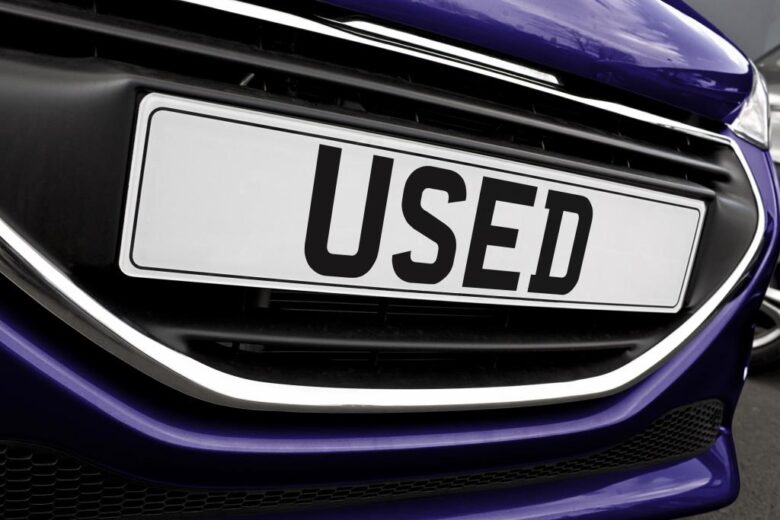
Source: platehunter.com
Patience Often Pays Off
Patience is another factor that is often overlooked. Not every registration sells immediately, even if it has genuine value. Owners sometimes reduce the price dramatically after only a short period without receiving offers. In reality, personalised registrations are unique assets, and it can take time for someone searching for that exact combination to enter the market.
Unlike mass-produced items, there is only one version of any particular registration. That uniqueness means buyers cannot simply purchase an identical alternative, but it also means the right buyer may not be actively searching today. Waiting for that person often produces a stronger outcome than making large price reductions too quickly.
Ignoring Market Conditions
Some sellers make the mistake of ignoring current market conditions. Buyer demand naturally changes over time, influenced by economic confidence, seasonal spending habits and wider consumer trends. Understanding these factors can help owners choose a more favourable time to sell rather than rushing the process.
Demand for certain styles of registrations can also fluctuate. Plates featuring short combinations, recognisable words or desirable initials may remain consistently popular, while interest in other formats can rise and fall. Keeping an eye on the wider market provides useful context when deciding whether to list immediately or wait for stronger demand.
Seeking guidance from experienced providers like Regplates can help sellers develop a more realistic understanding of current demand and pricing, allowing them to approach the market with greater confidence instead of relying on guesswork.
Failing to Prepare for the Transfer

Source: willowleasing.com
A surprisingly common mistake is failing to understand the transfer process before agreeing a sale. Private registrations are subject to administrative requirements, and delays can occur if paperwork is incomplete or incorrect. Buyers appreciate sellers who understand the necessary procedures and can complete the transfer efficiently. Preparing documentation in advance helps avoid unnecessary complications once a deal has been agreed.
Knowing where the registration is currently held, ensuring the relevant certificates are available and understanding the transfer timeline all contribute to a smoother experience for both parties. Small administrative oversights can easily delay what would otherwise be a straightforward transaction.
Being Too Rigid During Negotiations
Another issue arises when sellers become overly rigid during negotiations. While everyone wants to achieve the best possible return, refusing to consider reasonable offers can sometimes prevent a sale altogether. Buyers expect some level of discussion, particularly for higher-value registrations. Being prepared to negotiate sensibly may produce a better overall outcome than insisting on an unrealistic figure.
Negotiation does not necessarily mean accepting a low offer. Instead, it is about recognising genuine interest and finding common ground where both buyer and seller feel the transaction represents fair value.
Limiting Exposure

Some owners advertise their registration in only one place and assume interested buyers will automatically find it. The market for personalised registrations is competitive, and wider exposure generally increases the chances of attracting suitable enquiries. Restricting visibility unnecessarily reduces the pool of potential buyers.
The more relevant exposure a registration receives, the greater the likelihood that it will reach someone actively searching for that exact combination. Even highly desirable registrations benefit from being marketed effectively rather than relying on chance.
Overlooking Security
Scams are another area where caution is essential. Fraudulent buyers, fake payment confirmations and requests to transfer ownership before funds have cleared continue to catch out inexperienced sellers. Taking time to verify payments and following secure transfer procedures helps protect both the registration and the seller’s finances.
If something appears unusual or unnecessarily rushed, it is often sensible to pause and verify every step before proceeding. Legitimate buyers generally understand the importance of secure transactions and are unlikely to object to reasonable checks.
Letting Emotion Influence Decisions
Perhaps the biggest mistake of all is allowing emotion to drive every decision. A registration may have been owned for decades or mark an important period in someone’s life, but prospective buyers will usually focus on rarity, appearance and practicality rather than sentiment. Viewing the sale from a commercial perspective makes it easier to assess offers fairly and avoid unrealistic expectations.
Emotional attachment can also lead sellers to reject strong offers because they feel the registration is worth more to them personally. While that feeling is perfectly understandable, it should be separated from the commercial realities of the marketplace if the goal is to complete a successful sale.
Forgetting That Timing Can Influence Value
Timing can sometimes play a larger role than sellers expect. If there is no urgency to sell, waiting for the right opportunity may result in a better outcome. A buyer looking for a specific name, set of initials or business-related registration may appear months after the plate is first advertised.
Likewise, rushing a sale because of impatience can reduce negotiating power. Sellers who allow themselves sufficient time are generally better positioned to evaluate offers carefully instead of accepting less simply to bring the process to an end.
Taking a Measured Approach

Source: brindley.co.uk
Selling a personalised number plate successfully is rarely about luck. It comes down to careful preparation, sensible pricing, patience and an understanding of how the market operates. By avoiding these common mistakes, owners place themselves in a much stronger position to attract genuine buyers and complete the sale with confidence.
Every registration has its own level of appeal, and no two sales are exactly alike. Some attract multiple enquiries almost immediately, while others require a longer-term approach before the right buyer comes along. Remaining realistic throughout the process, presenting the registration professionally and approaching negotiations with flexibility can all contribute to a more successful outcome.
Whether the registration is highly sought after or appeals to a smaller audience, taking a measured and informed approach is far more likely to produce a satisfying result than relying on assumptions or rushing into a deal. Sellers who invest a little extra time in understanding the market, preparing the necessary paperwork and marketing their registration effectively often discover that the additional effort pays dividends when the right buyer eventually comes along.