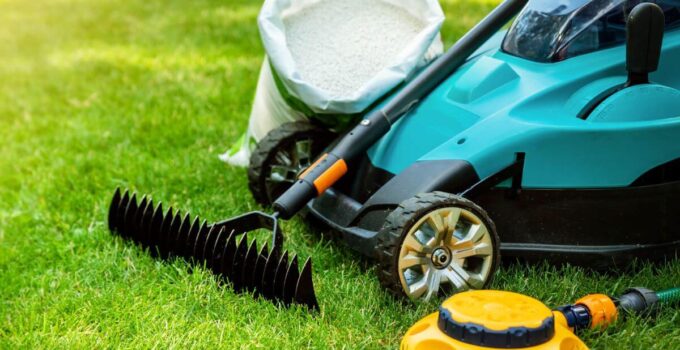
A healthy lawn rarely happens by accident. It’s usually the result of consistent care—and more importantly, having the right tools to support that care.
Your original text already captures this well, and it’s worth reinforcing: lawn maintenance isn’t just about mowing. It’s a combination of cutting, tidying, improving soil health, and handling seasonal changes. In fact, most lawn care guides highlight a mix of tools—from mowers and trimmers to aerators and spreaders—as essential for keeping grass healthy year-round .
What matters isn’t having every tool—it’s having the right combination that makes routine tasks easier and more consistent.
The Lawn Mower: Still the Starting Point
Source: gardeningknowhow.com
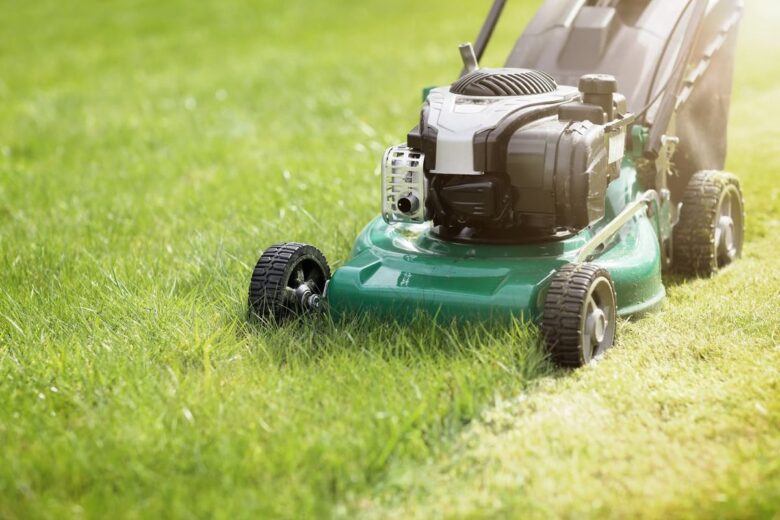
At the centre of everything is the lawnmower—and that hasn’t changed.
It’s the tool you’ll use most often, and it sets the baseline for how your lawn looks. A clean, even cut doesn’t just improve appearance; it actually helps grass grow more evenly and stay healthier over time.
The choice of mower really comes down to your space:
- Smaller gardens tend to suit electric or cordless models
- Larger areas often benefit from petrol or ride-on options
But beyond the type, one detail makes a bigger difference than people expect: maintenance. Sharp blades and a well-kept mower lead to cleaner cuts, which reduces stress on the grass.
So while it might feel like the most obvious tool, it’s also the one that quietly shapes everything else.
Edges and Details: Where the Finish Comes From
A mower gives you the foundation—but it’s the smaller tools that give your lawn its finished look.
This is where a strimmer comes in. It handles all the areas a mower simply can’t reach—edges, corners, around trees, along fences. Without it, even a freshly cut lawn can look unfinished.
Over time, these edges become more noticeable than you might expect. Clean lines signal care. Slight overgrowth, on the other hand, can make the whole space feel less maintained—even if the grass itself is cut properly.
That’s why edging tools and trimmers are often considered just as essential as the mower itself .
Clearing and Refreshing: The Role of a Rake
Source: simsgardenmachinery.co.uk
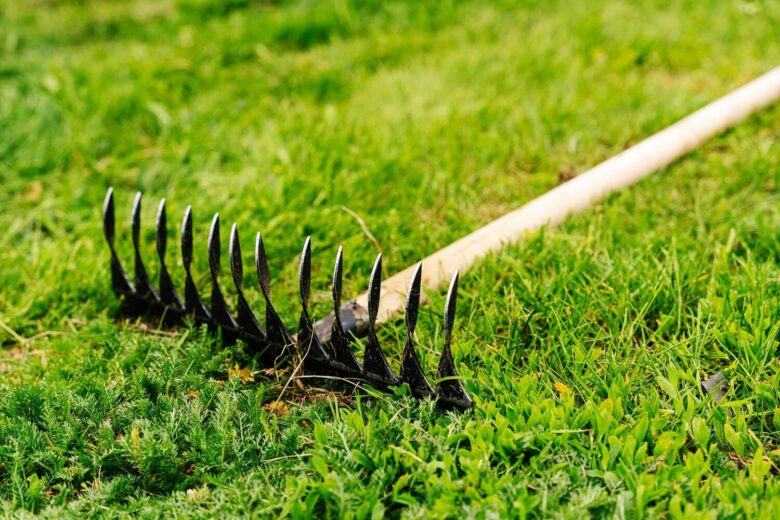
A rake is one of those tools that seems simple—but ends up being used more often than expected.
Leaves, clippings, and debris build up quickly, especially during seasonal changes. If left in place, they can block sunlight and airflow, which affects how well your lawn grows.
Using a rake regularly helps:
- Keep the surface clear
- Allow light and air to reach the grass
- Prevent buildup that can lead to moss or thatch
It also plays a role in light maintenance. Even without specialised equipment, a rake can help loosen the surface layer of the lawn and keep it from becoming compacted.
It’s not complicated—but it’s one of those habits that makes a visible difference over time.
Improving What You Don’t See: Aeration
Some of the most important lawn care work happens below the surface.
Soil compaction is a common issue, especially in areas with regular foot traffic. When the soil becomes too dense, water and nutrients struggle to reach the roots.
That’s where aeration comes in.
By creating small holes in the soil, aerators allow air, water, and nutrients to move more freely—something that’s widely recommended for maintaining healthy grass .
You might not notice the impact immediately, but over time:
- Roots grow deeper
- Grass becomes more resilient
- Recovery from wear improves
It’s one of those tools that works quietly in the background—but has a long-term effect.
Feeding the Lawn Properly: Spreaders
Source: thespruce.com
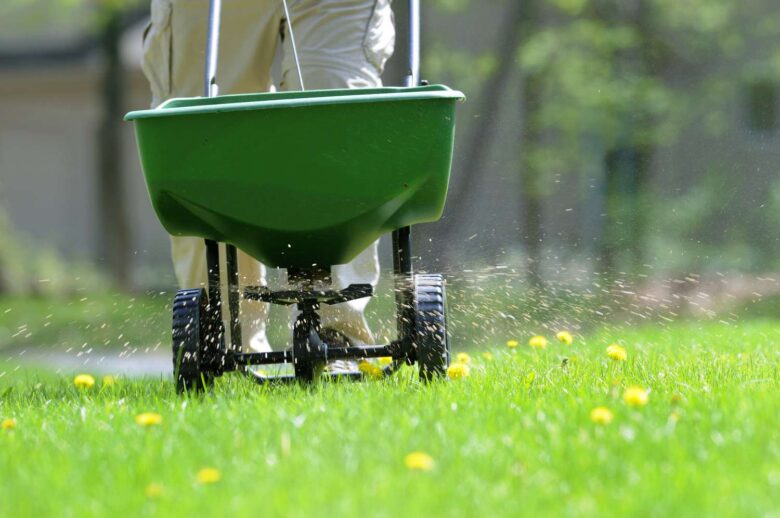
Applying fertiliser or seed evenly is harder than it looks.
Without the right tool, it’s easy to end up with uneven patches—some areas overfed, others undernourished. A spreader solves that problem by distributing material consistently across the lawn.
It’s a small upgrade, but it changes the result:
- More even growth
- Better coverage when overseeding
- Less wasted product
And because spreaders can be used for both fertiliser and seed, they quickly become a practical, multi-use addition to your toolkit.
The Difference Clean Edges Make
There’s something subtle but important about lawn edges.
Even if everything else is done well, unclear or overgrown edges can make the space feel less maintained. On the other hand, defined edges immediately create a sense of structure.
That’s why edging tools—manual or powered—play such a key role.
They don’t take long to use, but the visual impact is noticeable. It’s often the detail that turns a “well-kept” lawn into one that looks properly finished.
Seasonal Tools: The Ones You Don’t Use Every Week
Not every tool needs to be used regularly to be valuable.
Some only come out a few times a year—but when they do, they make a big difference. Scarifiers, overseeding tools, and similar equipment help address deeper issues like thatch buildup or thinning grass.
These are the tools that support long-term health:
- Removing moss and dead material
- Repairing worn patches
- Strengthening the lawn before or after seasonal changes
They’re less visible in day-to-day care, but they help prevent bigger problems from developing.
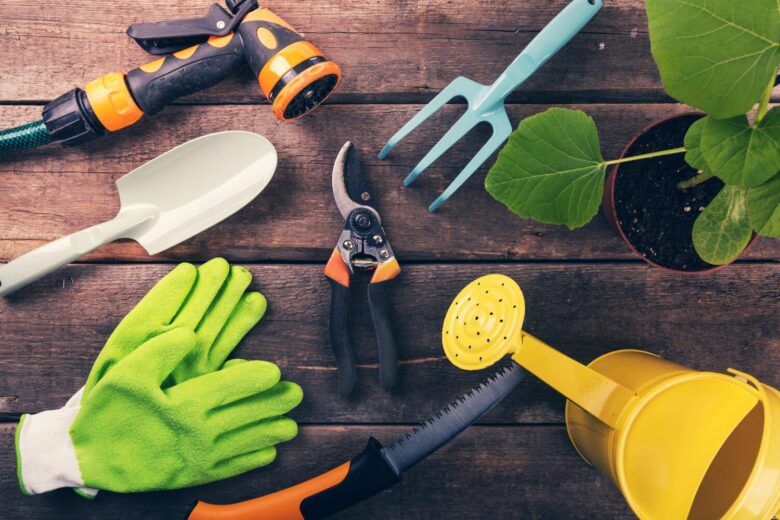
Choosing Tools That Fit Your Garden
Source: sowrightseeds.com
One of the easiest mistakes is trying to build a toolkit that’s too broad.
In reality, the best setup is one that matches your space. A smaller garden doesn’t need heavy-duty equipment, while larger areas benefit from tools that save time and effort.
Quality also matters more than quantity. Well-made tools tend to last longer, perform better, and make regular maintenance feel less like a chore.
Suppliers such as Garden Machinery Direct offer a wide range of equipment suited to different garden sizes and needs, helping gardeners choose tools that actually fit their setup rather than overcomplicating it.
A Toolkit That Grows With Your Lawn
Lawn care is not a one-time task. It changes as your garden grows and your needs shift. Most people start with basic tools, then add more as their lawn requires deeper care or more efficiency. This gradual approach makes maintenance easier and more manageable over time.
What matters most is not how many tools you own, but how well they support your routine. A simple, well-chosen setup helps you stay consistent, work efficiently, and keep your lawn healthy through each season.
In the end, it is not about having more tools. It is about having the right ones when you need them. When everything fits together, lawn care becomes a natural part of how you use your outdoor space.